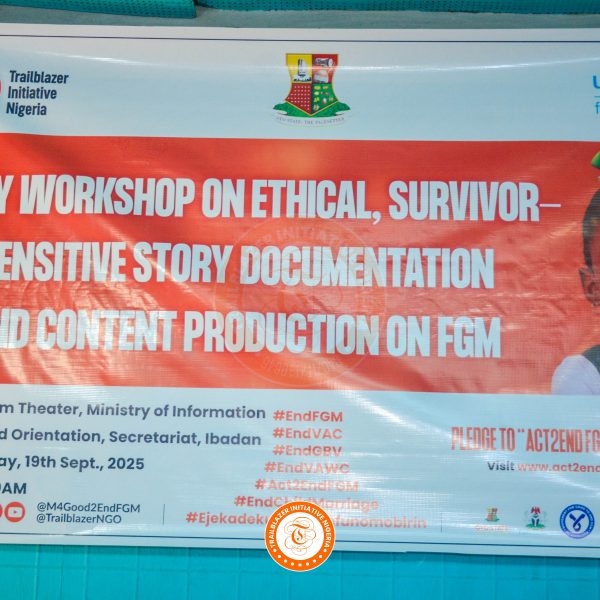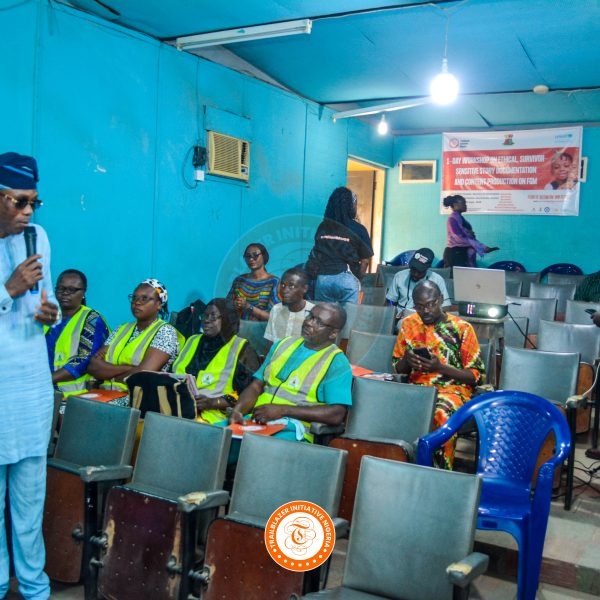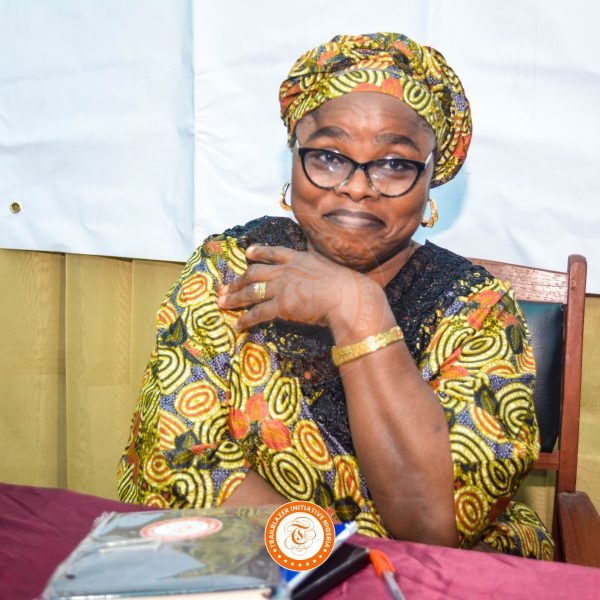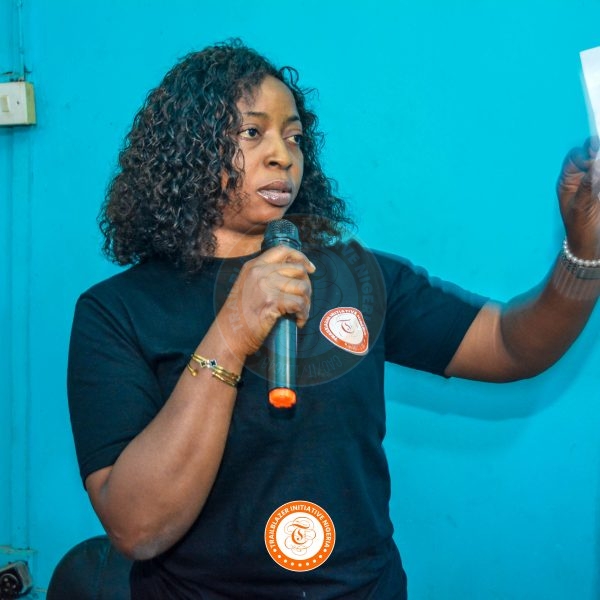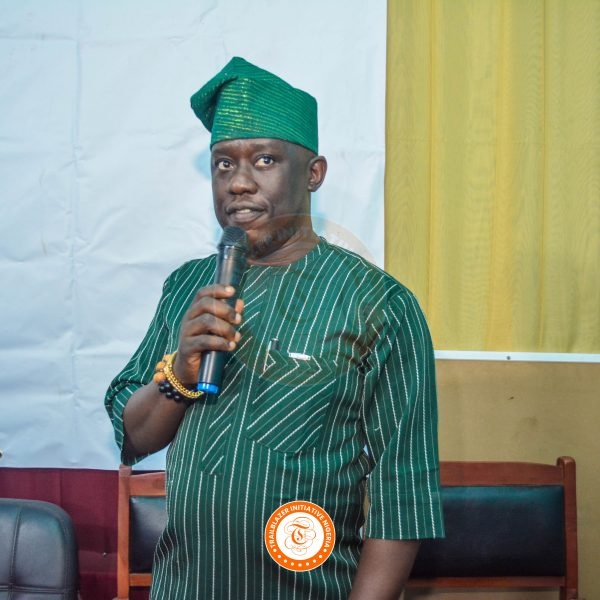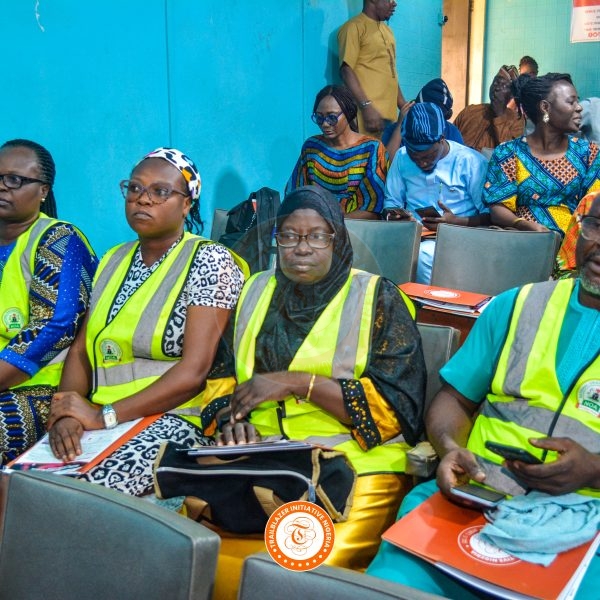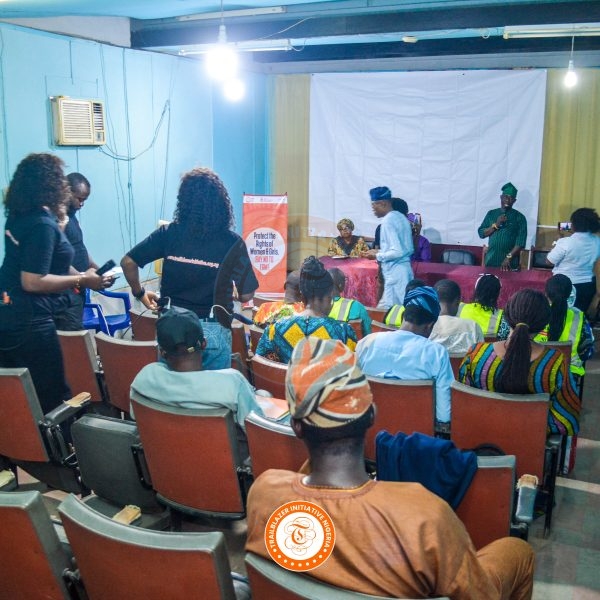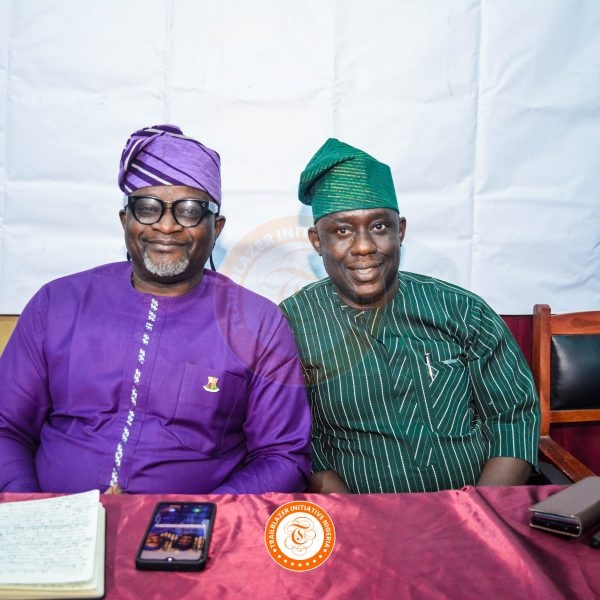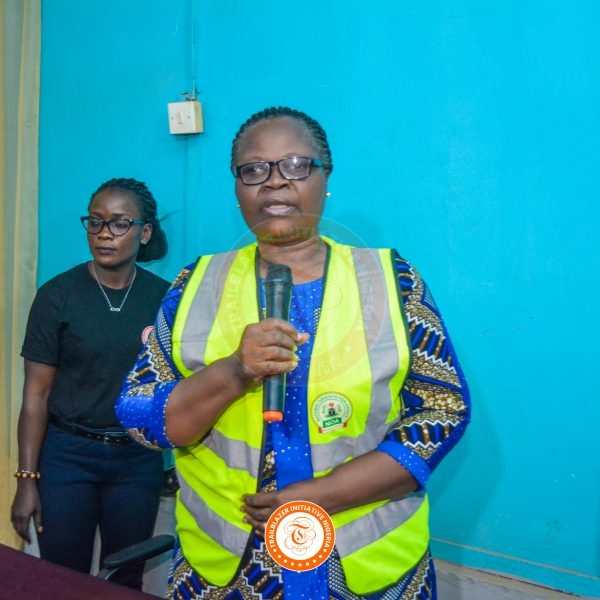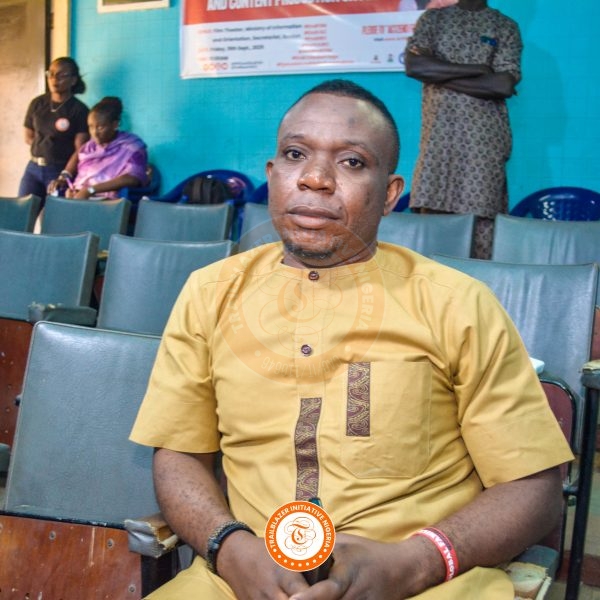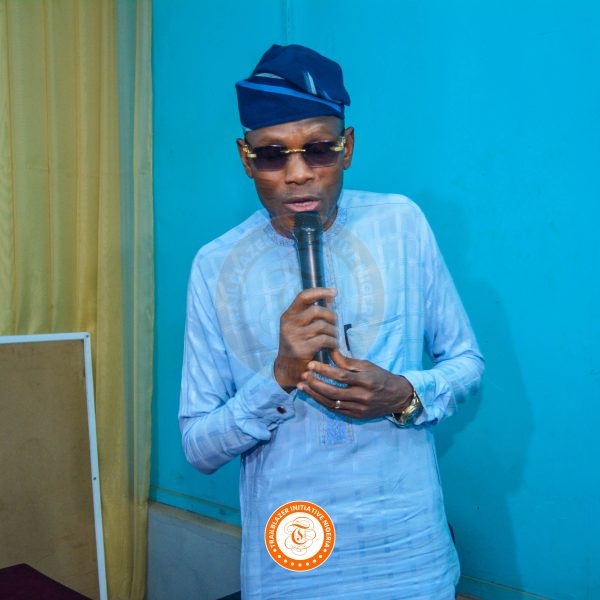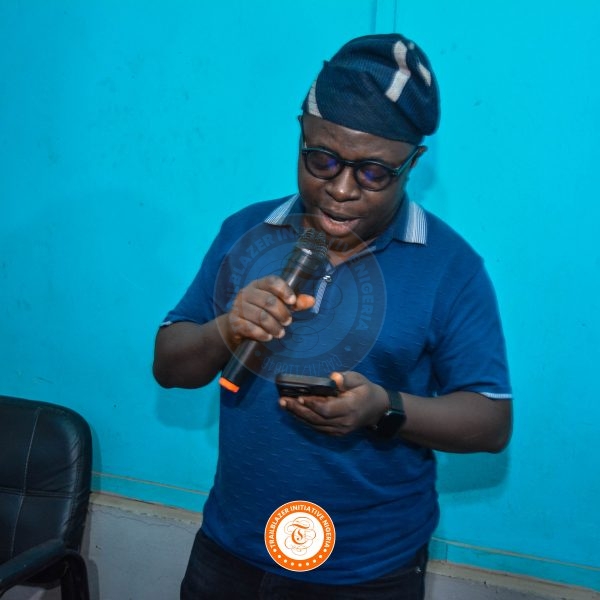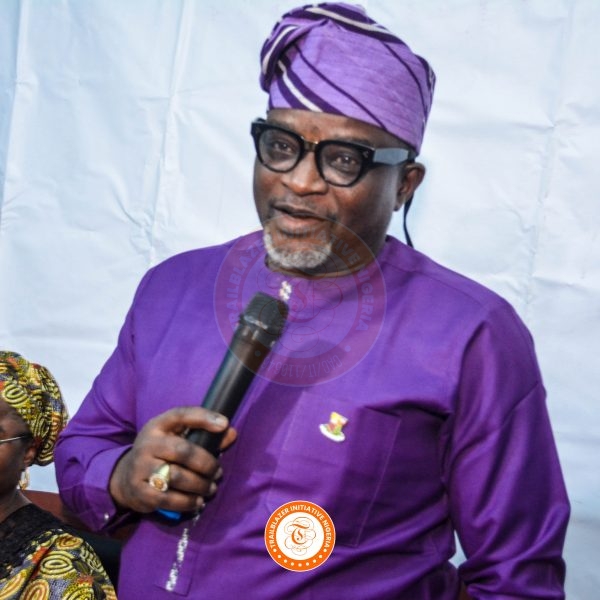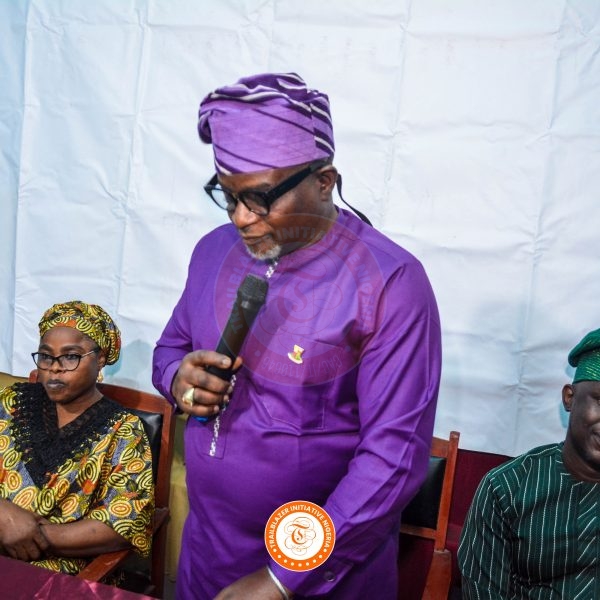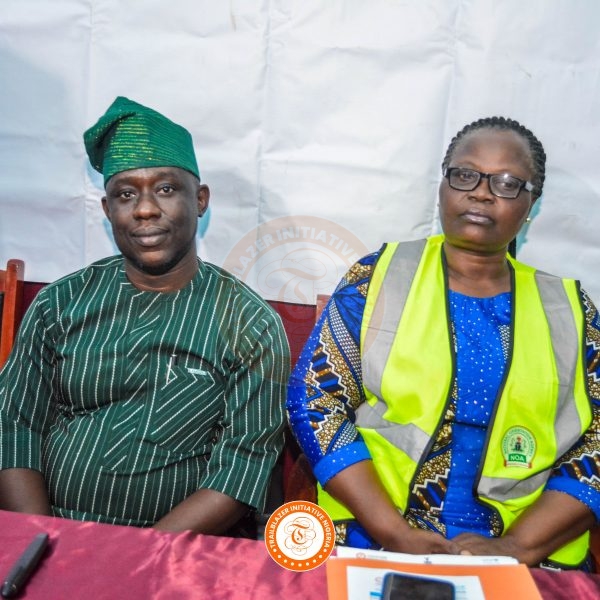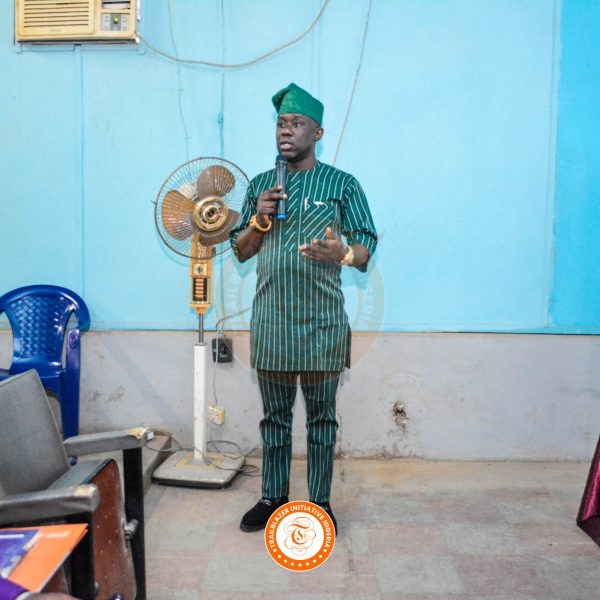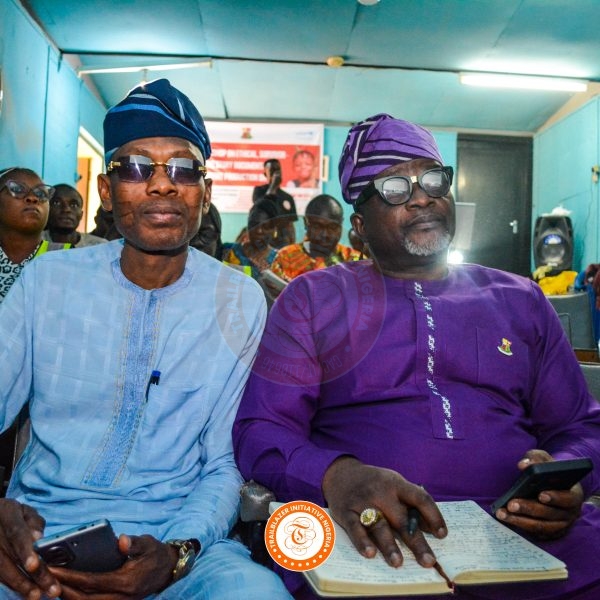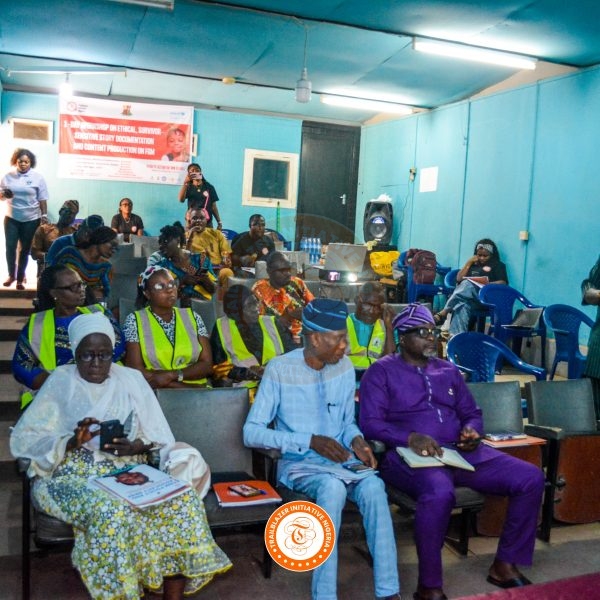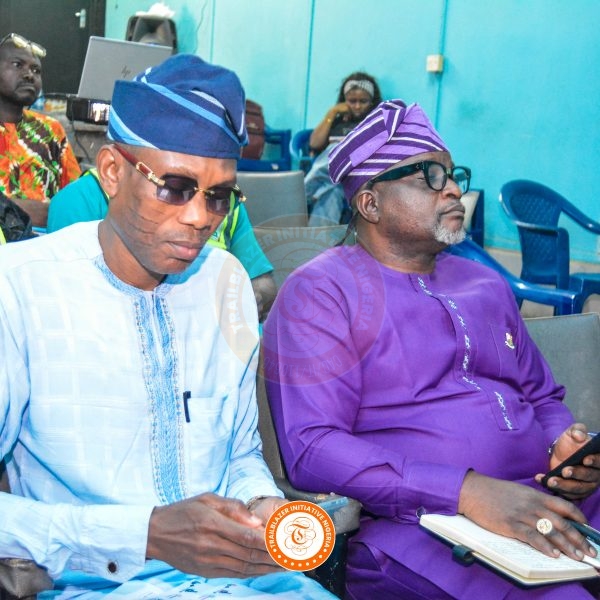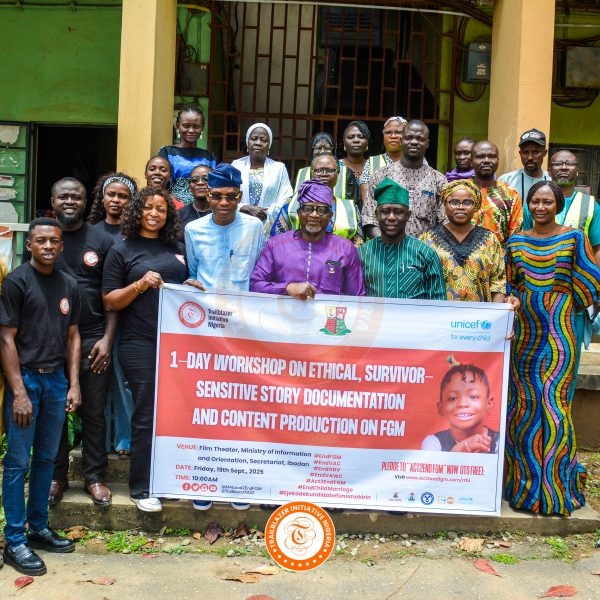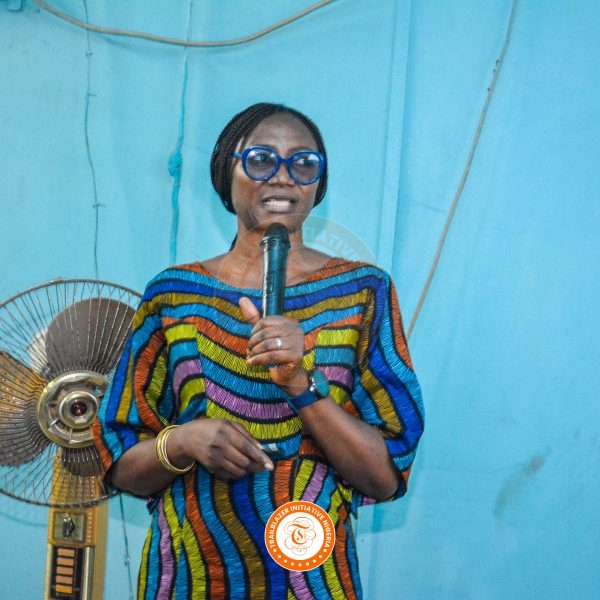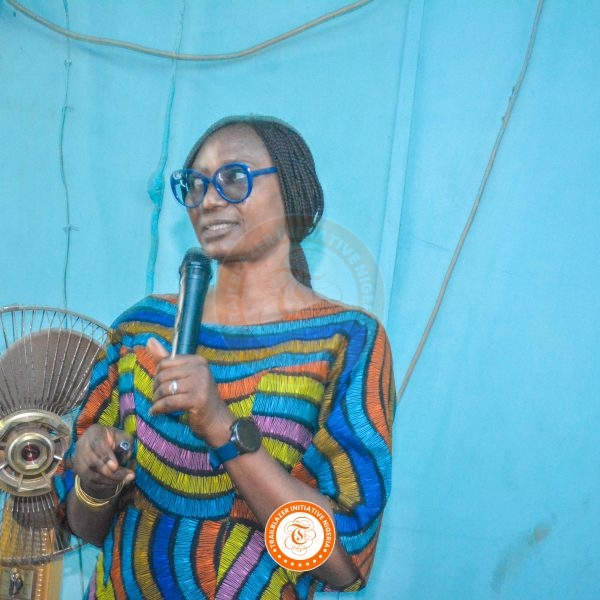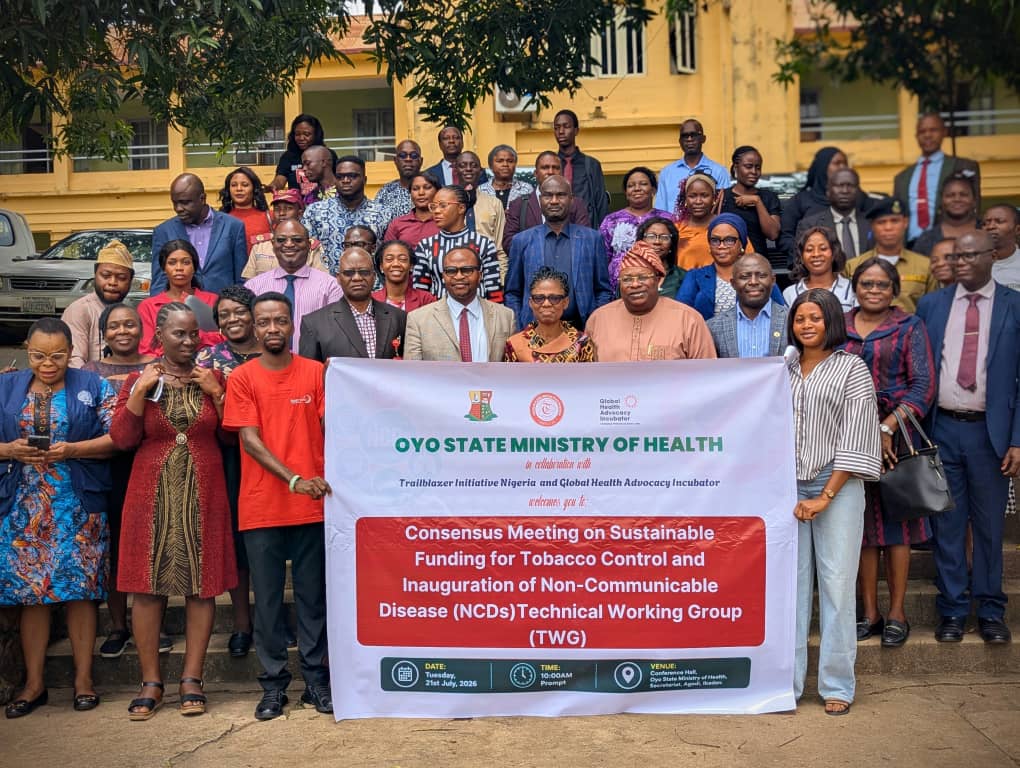
On Friday, September 19, 2025, Trailblazer Initiative Nigeria, with support from UNICEF and the Oyo State Government, hosted a one-day workshop on ethical survivor-sensitization, story documentation, and content production on Female Genital Mutilation (FGM). The event took place at the Film Theater, Ministry of Information and Orientation, Secretariat, Ibadan.
The workshop united journalists, CSOs, media professionals, and government representatives, all committed to ensuring that stories of FGM are told with dignity, sensitivity, and impact.
In his opening remarks, Dr. Dare Olagoke Adaramoye, Executive Director of Trailblazer Initiative, highlighted the critical role of ethical content production in protecting survivors, strengthening justice, and influencing community norms.
“The media has been doing a lot in awareness creation, but gaps still exist in protecting survivors and preventing re-traumatization. This workshop equips stakeholders to document FGM cases ethically,” he said.
In their goodwill messages, Mrs. Abidemi Adewale, Deputy Director of NOA, pledged to strengthen community outreach through orientation officers across local governments, noting that FGM still persists in some rural communities. Speakers, including Mrs. Adeola Adewole, Dr. Babatunde Tiamiyu, and Dr. John Oluwafemi Olla, stressed confidentiality, informed consent, and trauma-informed interviewing. They noted that harmful reporting practices, such as exposing survivor identities or sensationalizing stories, could stigmatize survivors and undermine trust, while ethical storytelling empowers and encourages communities to reject FGM.
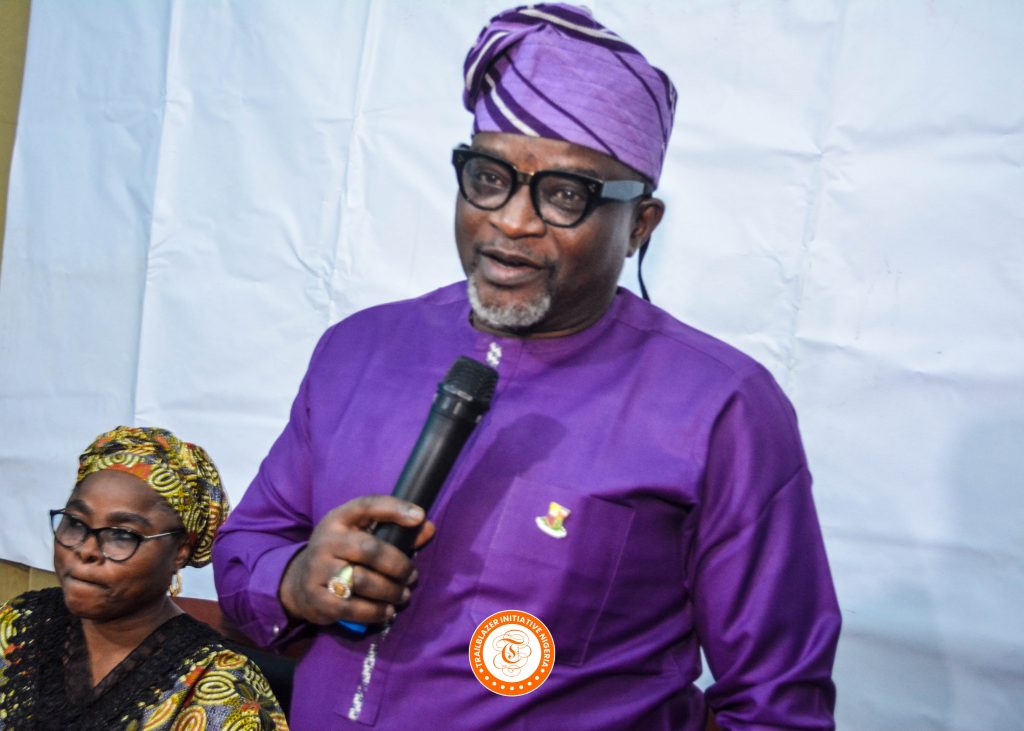 Mr. Rotimi Babalola, Permanent Secretary, Oyo State Ministry of Information and Orientation, officially declared the workshop open. He commended Trailblazer Initiative for the program, emphasizing that while anti-FGM laws exist, enforcement remains weak, and collaboration between media, CSOs, and government is essential for accountability.
The interactive sessions allowed participants to practice survivor-sensitive reporting, anonymizing survivor details, crafting responsible headlines, and producing advocacy content that is solution-oriented and culturally sensitive.
By the end of the workshop, participants committed to integrating survivor-centered approaches into their work, strengthening collaboration across sectors, and promoting ethical content that accelerates the elimination of FGM in Oyo State and Nigeria at large.
“Ending FGM requires collective action. Together, with ethical storytelling and survivor-centered advocacy, we can protect lives and drive lasting social change,” Dr. Adaramoye concluded.
This workshop reinforced Trailblazer Initiative Nigeria’s leadership in championing survivor voices, fostering ethical media practices, and mobilizing collective action against FGM across the state.