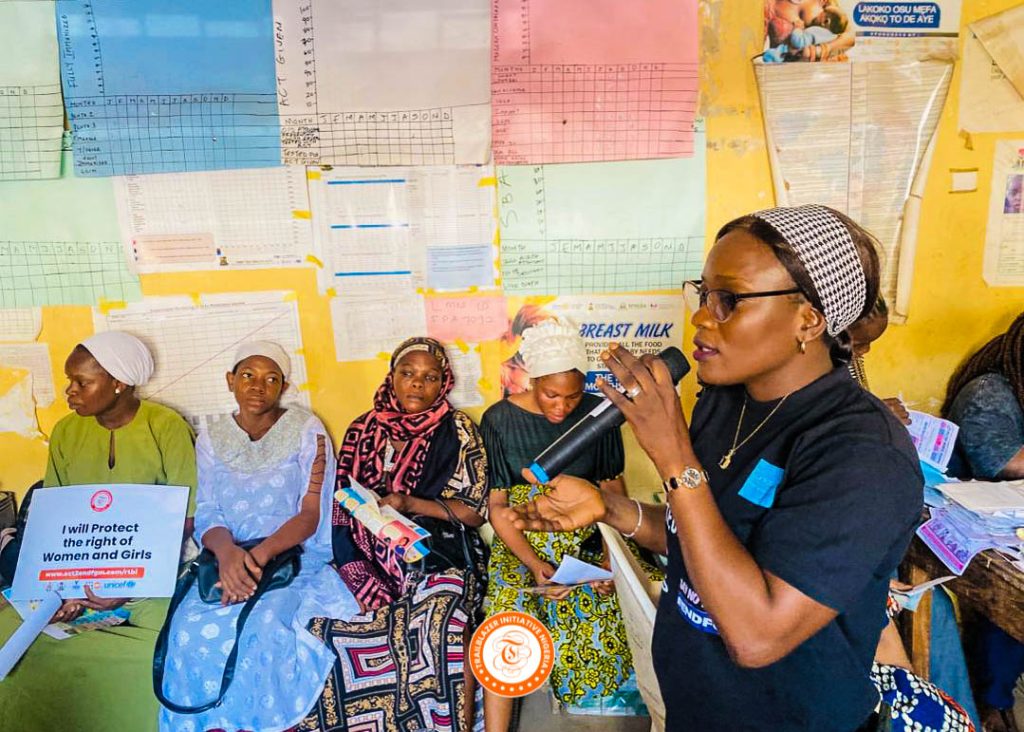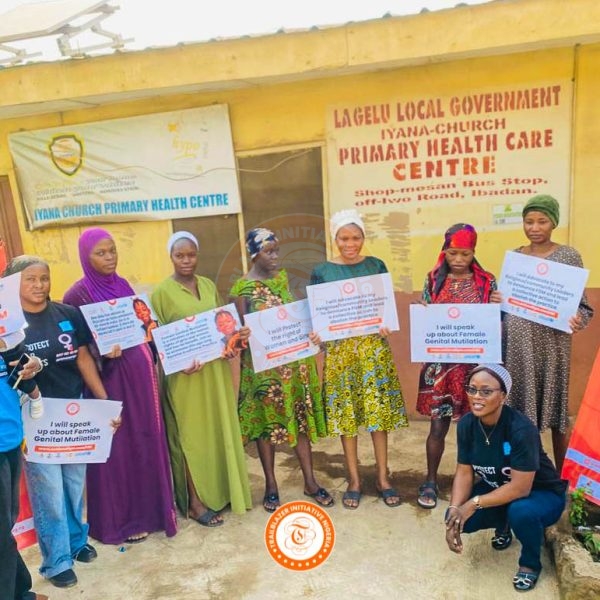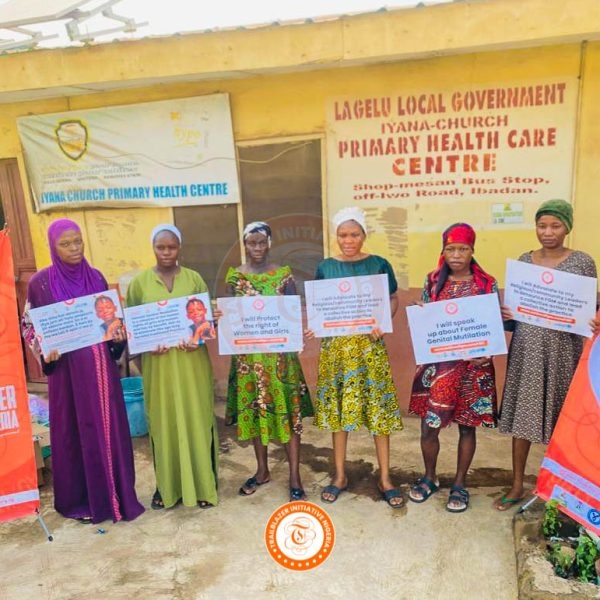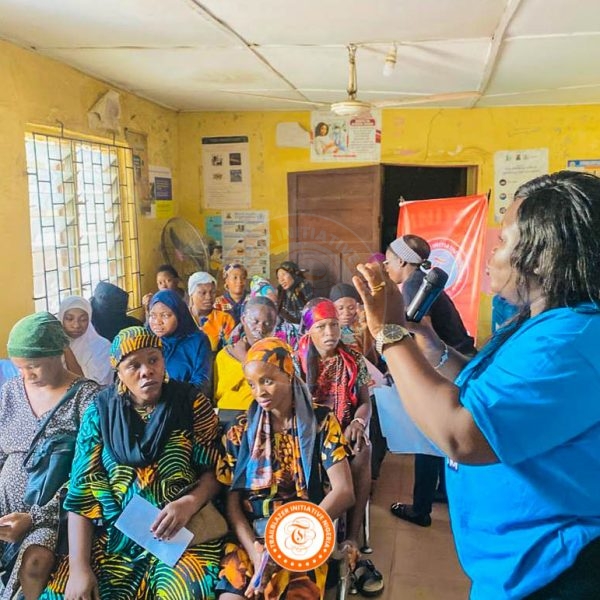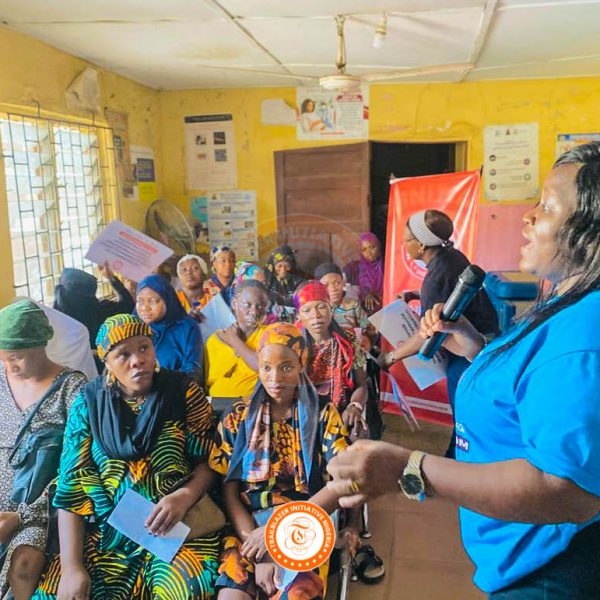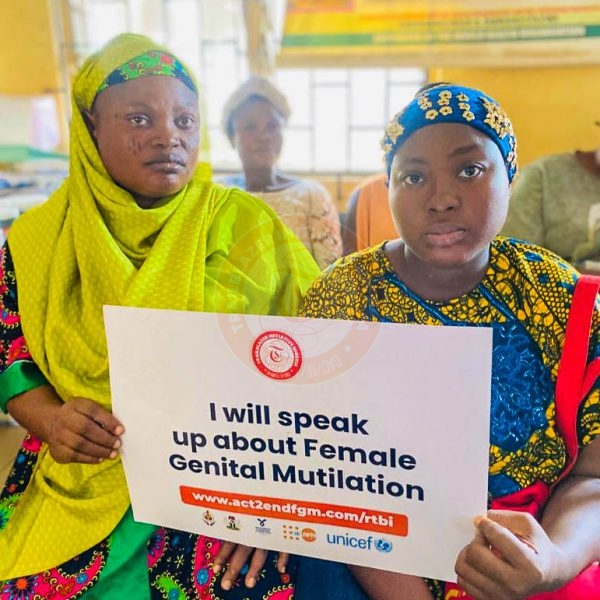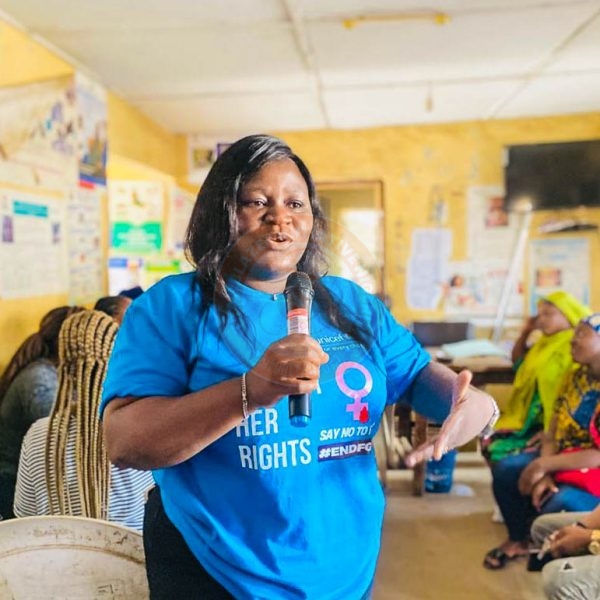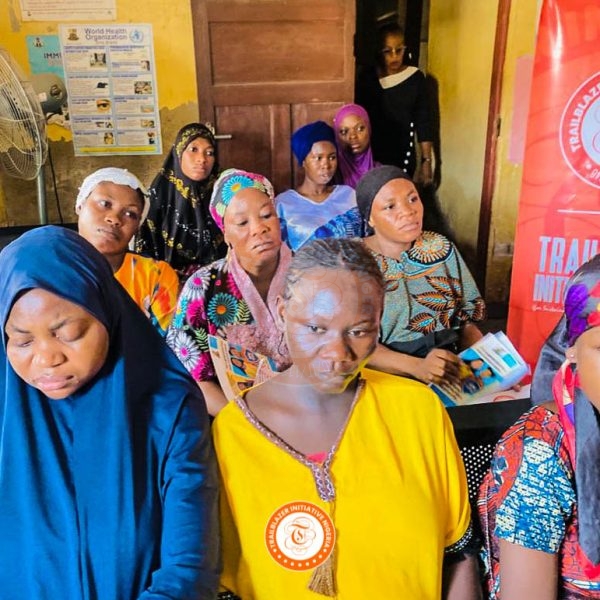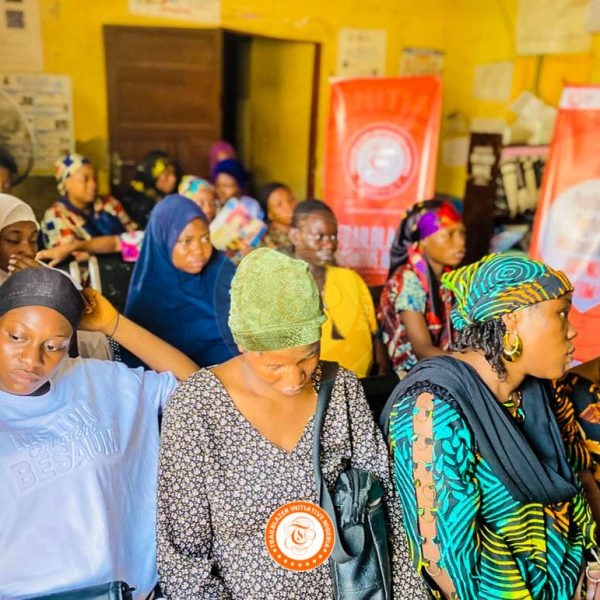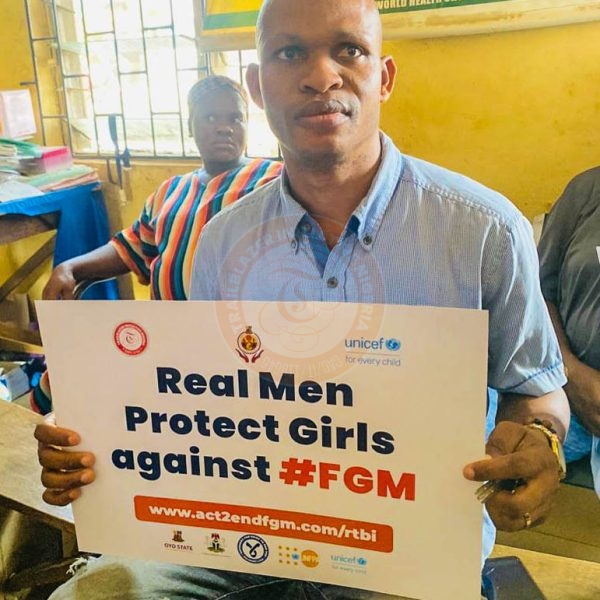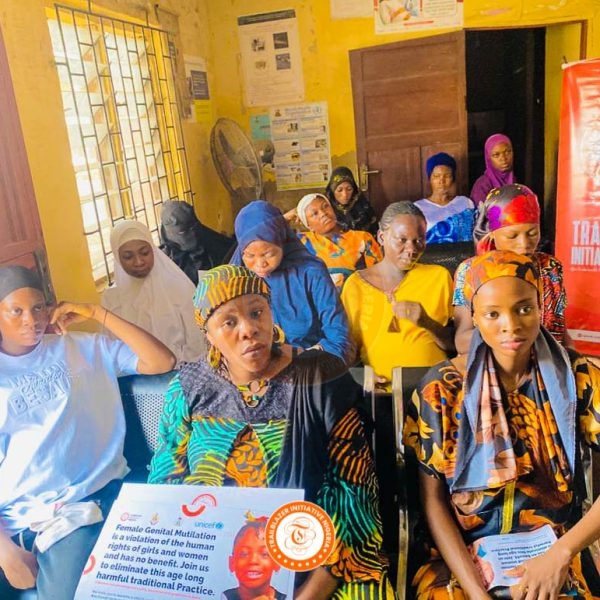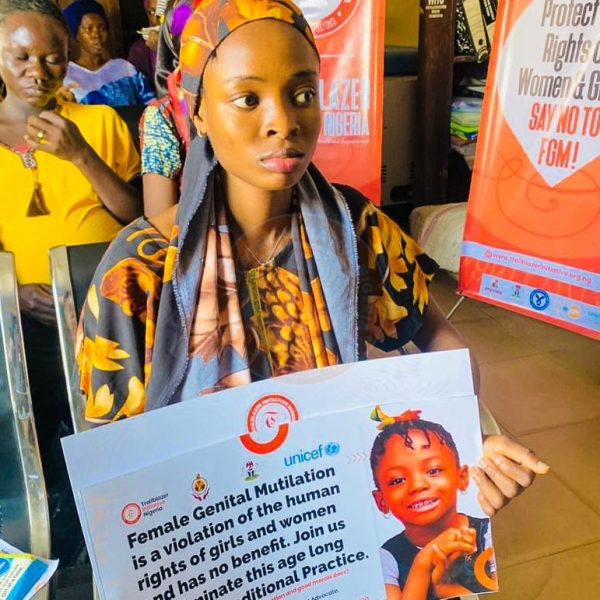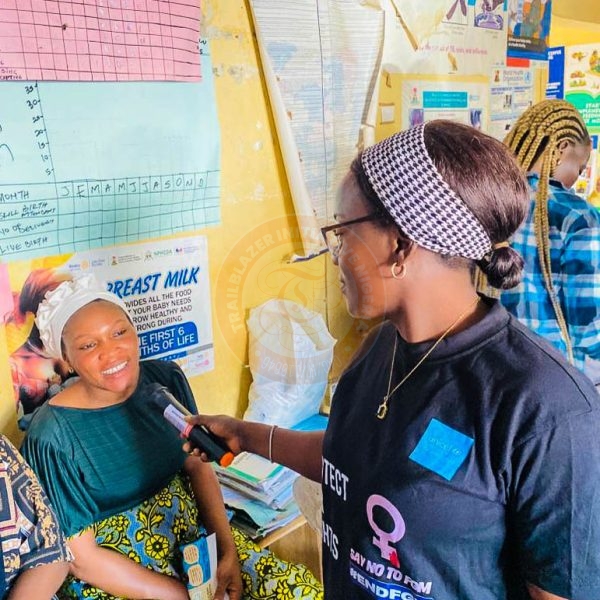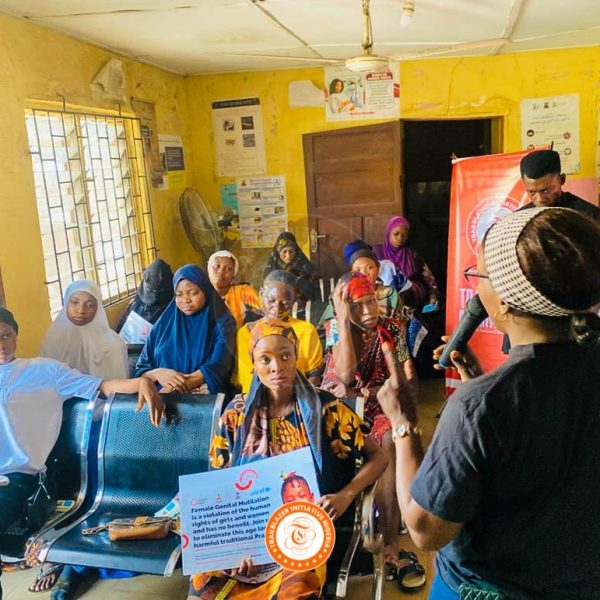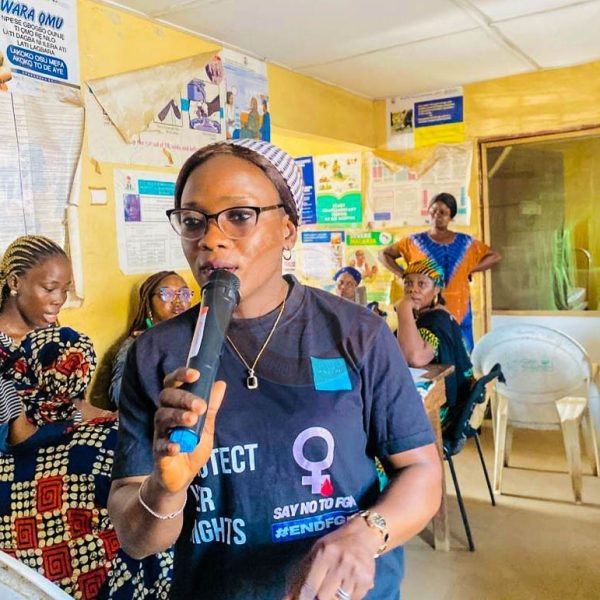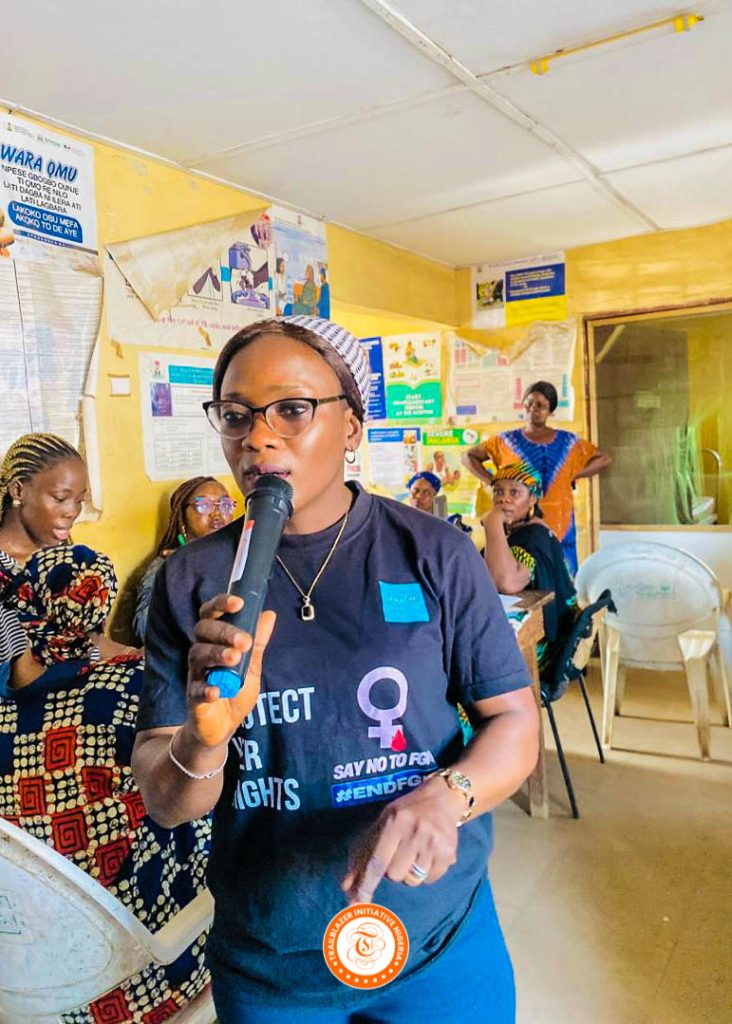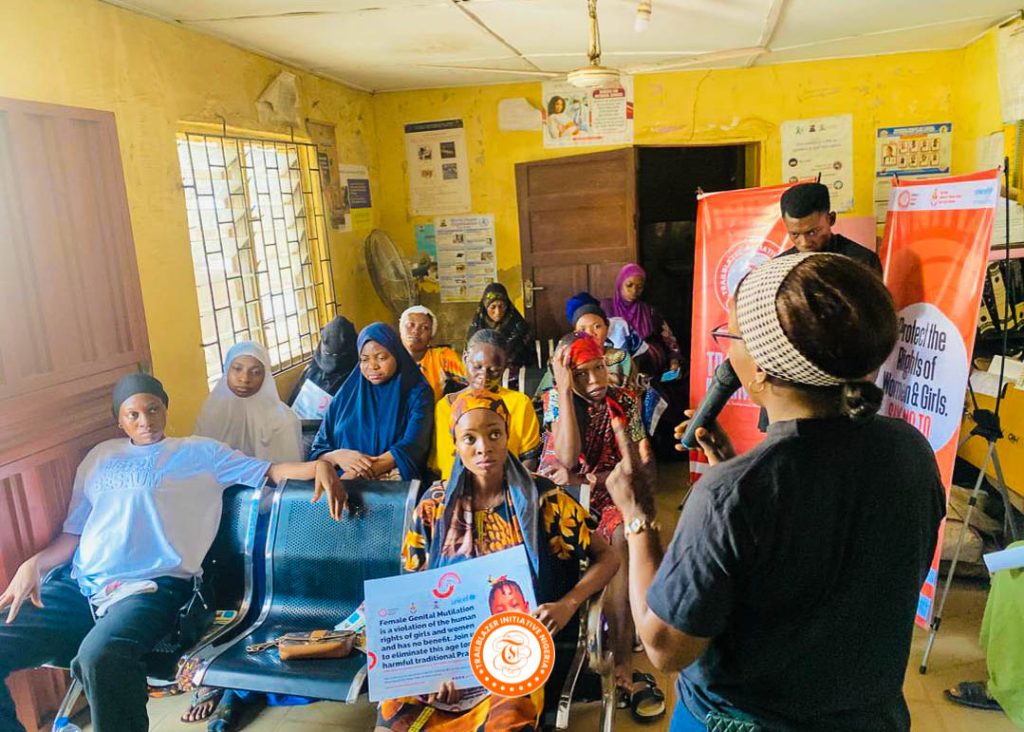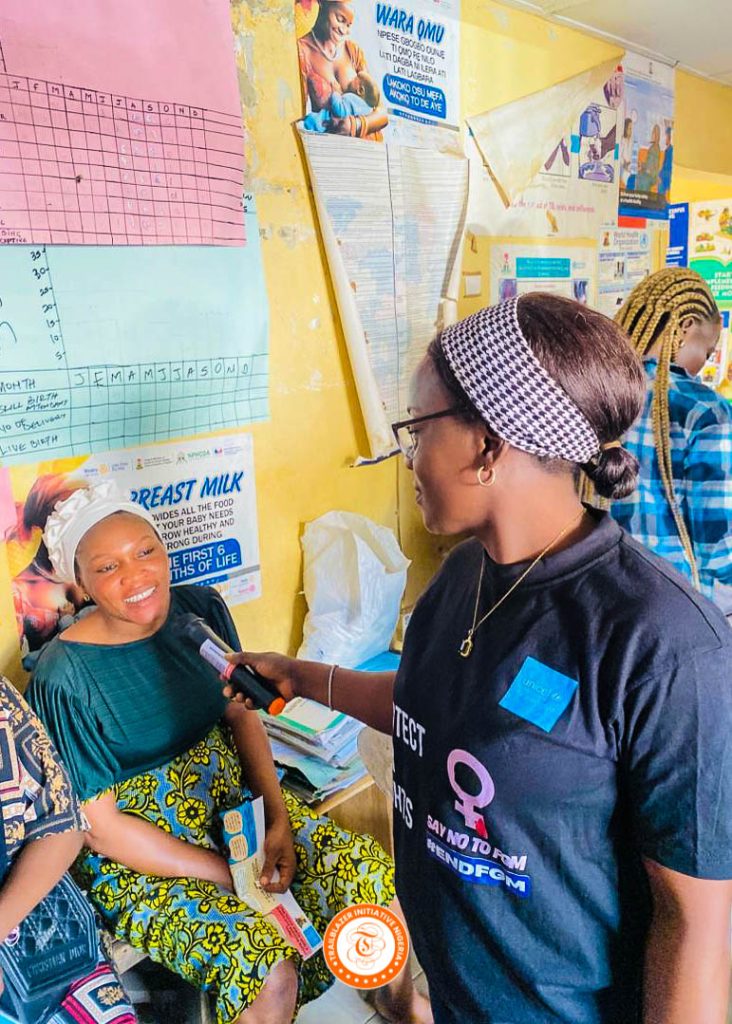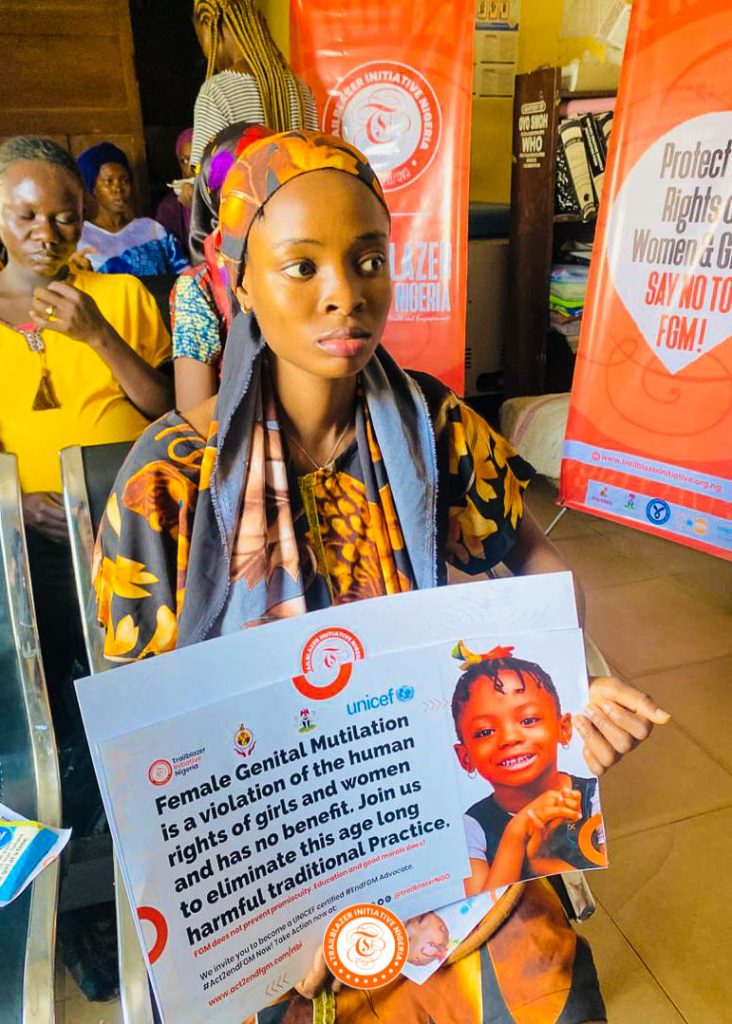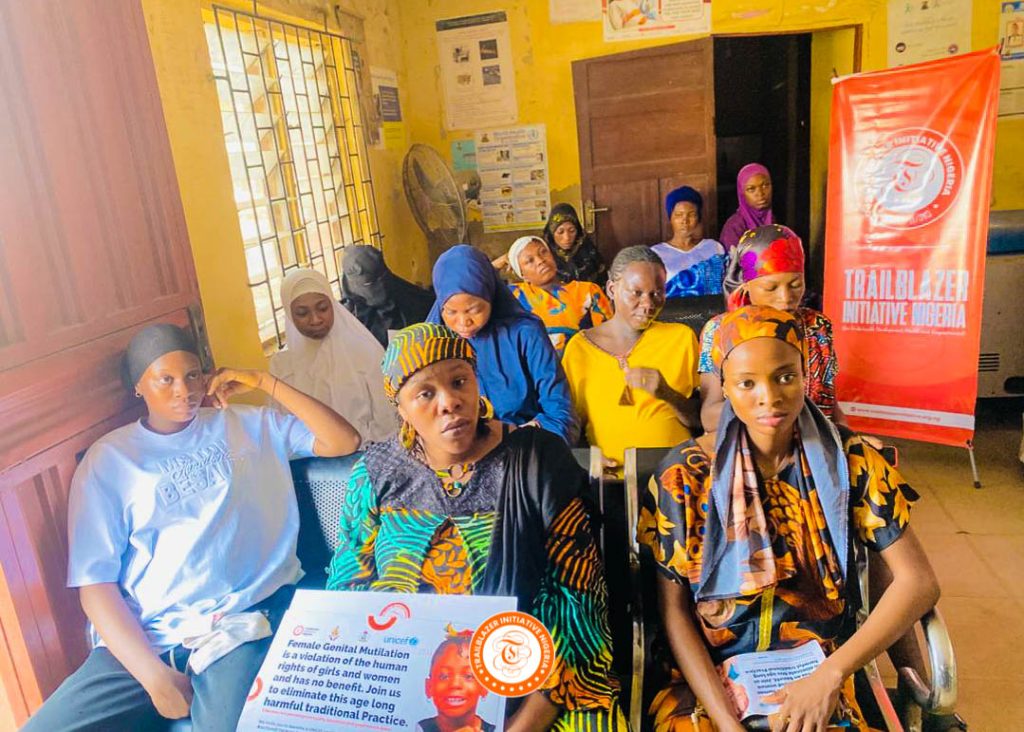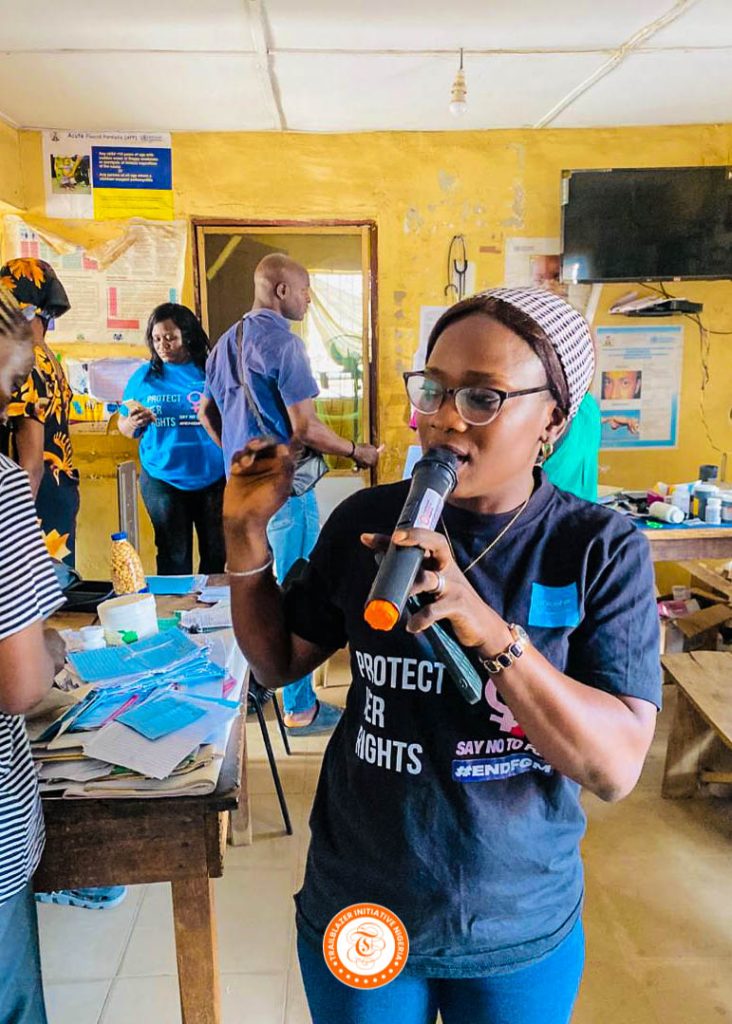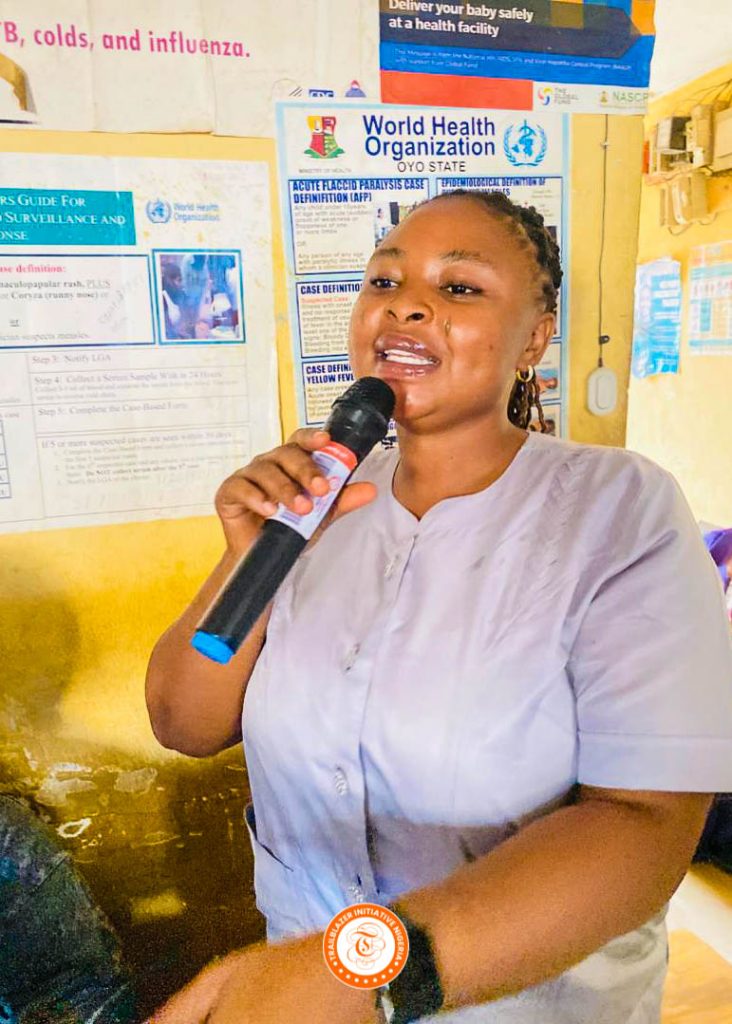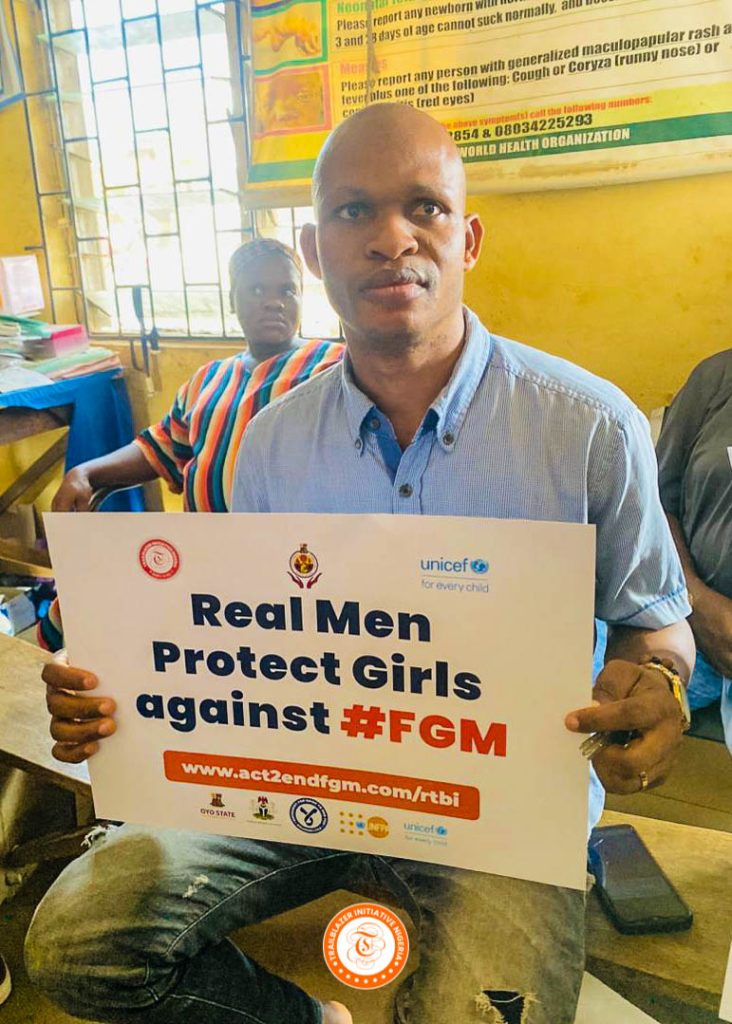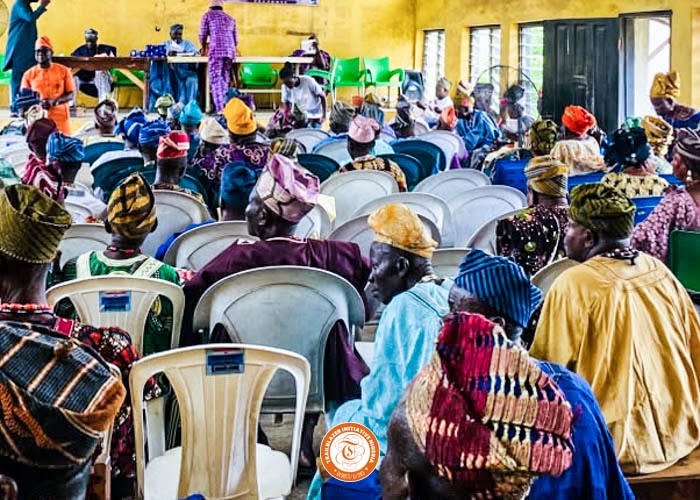
In commencement of activities commemorating this year’s International Day of Zero Tolerance for Female Genital Mutilation (FGM), Trailblazer Initiative Nigeria held a sensitization programme for pregnant women at Iyana Church Health Centre, Ibadan, Oyo State.
The sensitization, which took place on Wednesday, 4 February 2026, was organized during the antenatal clinic session at the health facility as part of efforts to kick-start activities marking the global observance. The initiative aligned with the 2026 global theme: “Toward 2030: No End to Female Genital Mutilation Without Sustained Commitment and Investment.”
Pregnant women and Health workers participated in the session, which provided a safe and interactive platform for learning, dialogue and shared reflection on the health, legal and social implications of Female Genital Mutilation. The programme also emphasized the collective responsibility of families and communities to protect mothers, unborn children and the girl child from harmful traditional practices.
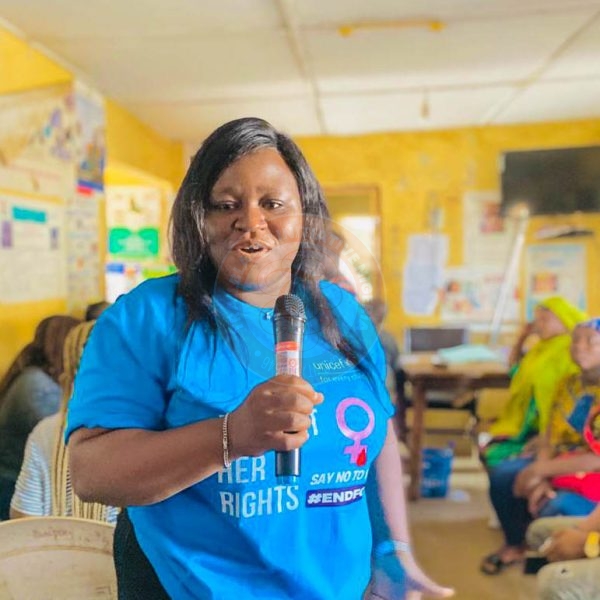
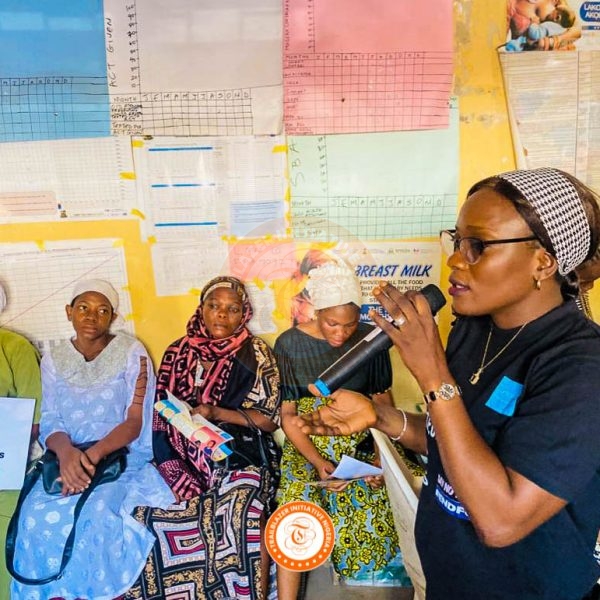
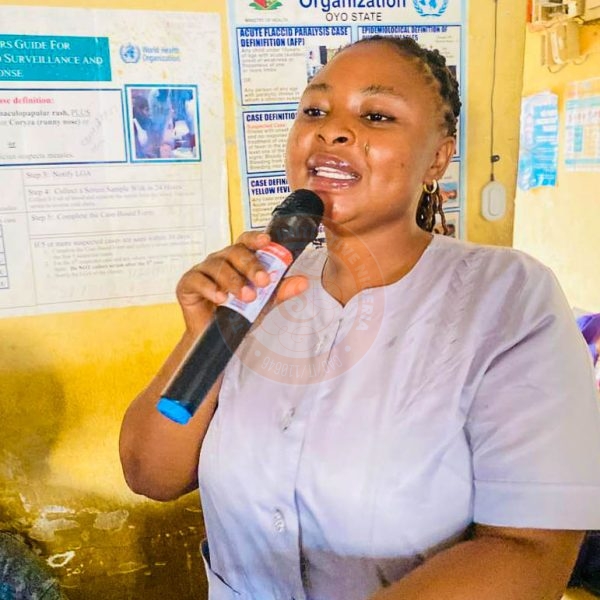
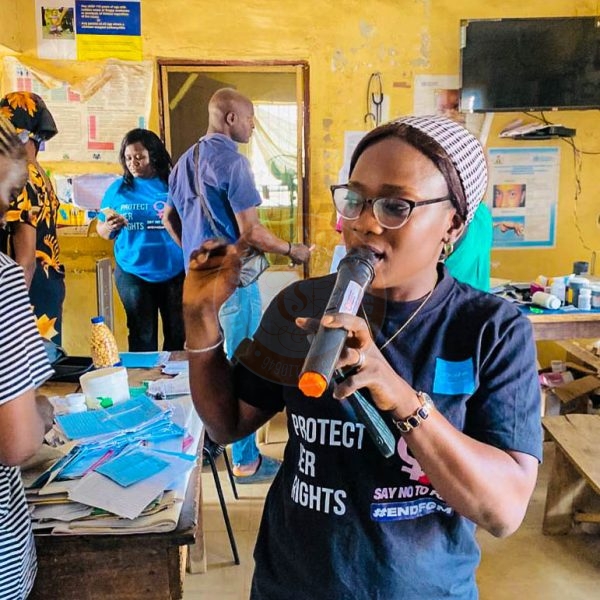
The session was facilitated by Mrs. Bamydele Oluwapelumi Yetunde, who led participants through an engaging discussion on the meaning of FGM, its various forms, and the severe health, psychological and social consequences associated with the practice. She formally introduced Trailblazer Initiative Nigeria (TBI), acknowledged the presence of the health workers, and conveyed the appreciation of the organization’s Executive Director, Dr. Dare Olagoke-Adaramoye, to both the nurses and the pregnant women for their cooperation and openness.
Further strengthening the legal perspective of the discussion, Mrs. Mariam Okedeji educated participants on the Violence Against Persons Prohibition (VAPP) Law, stressing that FGM is a punishable offence under Nigerian law. She highlighted how the practice has caused lasting harm to families and marriages, urging women to reject harmful traditions and actively protect their daughters.
Adding to the advocacy message, Miss Aishat encouraged participants to speak out against FGM, report suspected cases and safely intervene whenever the practice is observed within their communities.
The session featured open questions and honest conversations. One participant, Mrs. Adekunle Florence, questioned why FGM continues to be practiced despite having no benefits. In response, Mrs. Bamydele explained that the persistence of FGM is largely driven by tradition, myths surrounding purity and intense social pressure, despite overwhelming evidence that the practice has no health benefits and causes significant harm.
To deepen understanding, a Nurse was invited to explain the difference between labor experiences of women who have undergone FGM and those who have not. She noted that women without FGM generally experience safer and faster deliveries, while those affected by FGM often face prolonged labor and serious complications.
Another participant, Mrs. Lawal, shared her personal experience of refusing FGM for her daughter, even at the cost of strained family relationships. She expressed her readiness to involve law enforcement to protect her child and raised concerns about sexual health challenges faced by women living with FGM.
In response, Mrs. Bamydele provided safe, non-harmful guidance on improving intimacy and wellbeing, while Miss Aishat offered practical home-care tips and emphasized the importance of seeking medical support when necessary.
The sensitization reinforced a powerful message: when women are informed, families are protected, and communities grow healthier. By equipping pregnant women with accurate information, legal knowledge and the confidence to speak out, Trailblazer Initiative Nigeria continues to make meaningful progress toward safer pregnancies, improved maternal and sexual health outcomes, stronger family protection systems and a future free from Female Genital Mutilation.
The engagement marks a strategic step in TBI’s sustained commitment to ending FGM. As the world moves Toward 2030, the organization emphasized that eliminating FGM requires continuous investment in education, community engagement and legal awareness. Empowered mothers, TBI noted, are key agents of change, and through initiatives like this, the organiz