Opinion Article
By Dr. Dare Olagoke-Adaramoye
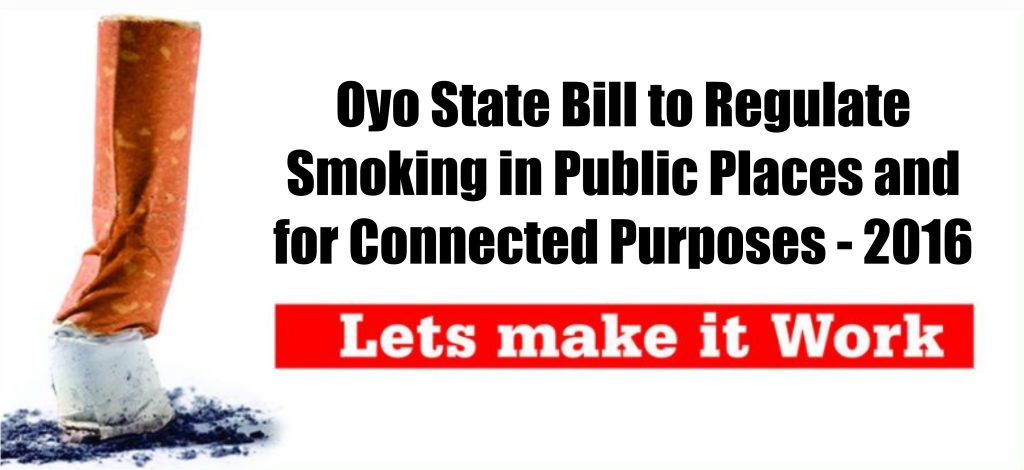
Oyo State stands at a defining moment in public health leadership. The laws to regulate tobacco exist. The National Tobacco Control Act (2015) provides a strong national framework. Oyo State passed legislation in 2016 to regulate smoking in public places. Yet, despite these legal instruments, tobacco use continues to pose serious health and economic risks.
The problem is not policy. The problem is financing.
Non-Communicable Diseases (NCDs) — including cancer, heart disease, stroke, and chronic respiratory illnesses — are rising steadily. Tobacco remains one of the leading preventable risk factors. However, enforcement gaps persist because tobacco control in Oyo State lacks one critical tool: a dedicated budget line.
- Without predictable financing:
- Enforcement logistics remain underfunded.
- Public awareness campaigns become irregular.
- Youth prevention efforts are weakened.
- Cessation services remain limited.
Laws without funding are symbolic. Budgets reflect political priorities.
A dedicated tobacco control budget line is not additional spending. It is strategic investment in Oyo State’s health, economy, and future.
First, prevention is significantly cheaper than treatment. Treating tobacco-related cancers and heart diseases places enormous strain on families and public health systems. Investing in enforcement and prevention reduces long-term healthcare costs.
Second, youth protection demands financing. Most tobacco users begin before adulthood. Without sustained awareness and prevention programs, addiction cycles continue.
Third, governance and accountability improve when funding is structured. A dedicated budget line strengthens transparency, legislative oversight, and measurable performance.
Fourth, domestic financing reduces overreliance on unpredictable donor funding and strengthens institutional resilience.
As the 2027 budget cycle approaches, policymakers have a strategic opportunity. Entry points such as pre-budget consultations, Medium-Term Sector Strategy (MTSS) reviews, and legislative public hearings provide avenues to institutionalize sustainable tobacco control financing.
Oyo State can lead in smart, forward-looking public health reform. But leadership requires commitment backed by allocation.
If tobacco control is not funded, it is not prioritized.
The choice is clear: invest in prevention today or continue paying for consequences tomorrow.