…Community Child Protection Actors Trained on Case Identification, Referral, Reporting and CPIMS+
In a bold step toward strengthening community-level child protection systems and accelerating efforts to eliminate Female Genital Mutilation (FGM), Trailblazer Initiative Nigeria (TBI), with support from UNICEF Nigeria through the Oyo State Ministry of Women Affairs and Social Inclusion, has successfully trained 30 members of Community-Based Child Protection Structures (CBCPS) and youth- and women-led Community-Based Organizations (CBOs) from intervention communities in Egbeda and Olorunsogo Local Government Areas of Oyo State.
The one-day capacity-building training was designed to strengthen prevention and response mechanisms for vulnerable children, particularly out-of-school adolescent girls at risk of FGM, by enhancing participants’ knowledge and skills in case identification, reporting, referral, safeguarding, community-based case management, and documentation through the Child Protection Information Management System (CPIMS+).
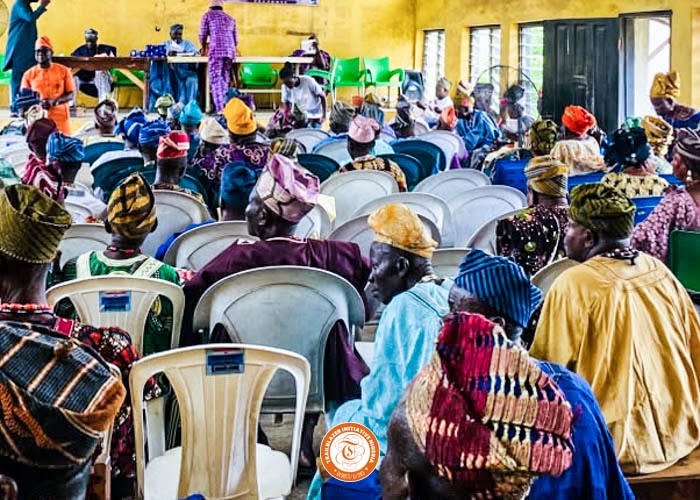
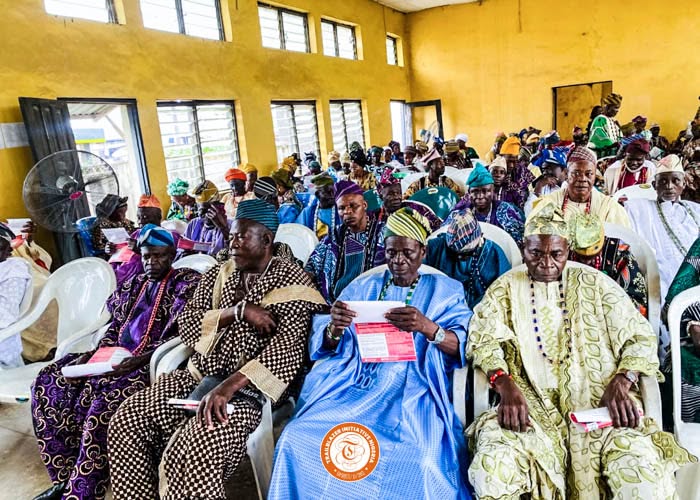
The training brought together frontline child protection actors, community volunteers, youth leaders, women-led organizations, and other stakeholders who play critical roles in protecting children from abuse, violence, exploitation, neglect, and harmful traditional practices.
Speaking at the event, the representative of the Honourable Commissioner for Women Affairs and Social Inclusion, Mrs. Adediran Oluwawemimo, emphasized that FGM remains a violation of the rights, dignity, and bodily autonomy of girls and women.
According to her, “Female Genital Mutilation is not merely a health issue; it is a social and human rights concern that affects the future of girls and limits their opportunities to thrive. Communities must collectively reject harmful norms that perpetuate FGM and embrace positive social values that promote the protection, education, and empowerment of girls. The Ministry remains committed to working with partners such as UNICEF and Trailblazer Initiative Nigeria to ensure that every girl grows up free from violence, abuse, and harmful traditional practices.”
Also speaking during the training, the Director of Health Services, Egbeda Local Government, Dr. Oyedare, highlighted the severe health consequences associated with FGM.
“FGM has no medical benefit whatsoever. Instead, it exposes girls and women to severe bleeding, infections, complications during childbirth, psychological trauma, and even death in some cases. Preventing FGM is therefore not only a child protection responsibility but also a critical public health intervention,” he stated.
Similarly, the TBI’s Program Lead, Aderiike Oyekola and Mr Dotun Olatunji – TBI’s Monitoring and Evaluation Officer, called for stronger community surveillance and reporting mechanisms to protect vulnerable girls. There sessions provided participants with comprehensive knowledge on child protection principles, the risks and consequences of FGM, and the protection needs of adolescent girls.
They noted that many cases remain hidden because communities often lack the capacity to identify risks early and respond appropriately. He urged participants to utilize the skills gained during the training to identify vulnerable children, facilitate timely referrals, and collaborate with relevant authorities to ensure that no child is left unprotected.


Delivering the technical sessions, Executive Director of Trailblazer Initiative Nigeria, Dr. Dare Olagoke-Adaramoye covered legal and policy frameworks, including the Child Rights Law and Violence Against Persons Prohibition (VAPP) Law, mandatory reporting obligations, case management procedures, safeguarding principles, referral pathways, and collaboration with law enforcement and social welfare systems.
Participants also received practical training on the Child Protection Information Management System (CPIMS+), equipping them with skills for phased case capture, documentation, data confidentiality, referral tracking, and case follow-up processes. Interactive role plays and simulation exercises enabled participants to practice case identification, emergency response procedures, referral mechanisms, and strategies for addressing community resistance.
At the end of the training, participants expressed increased confidence in their ability to identify vulnerable children, document cases appropriately, facilitate referrals, and support community-level child protection interventions. Many pledged to strengthen community surveillance systems and actively support efforts to prevent FGM and other forms of violence against children.
Speaking on behalf of the participants, community representatives commended UNICEF, the Oyo State Ministry of Women Affairs and Social Inclusion, and Trailblazer Initiative Nigeria for investing in grassroots capacity strengthening and equipping local actors with practical tools to protect vulnerable children.
The training forms part of ongoing UNICEF-supported interventions aimed at strengthening community-based child protection systems, promoting the abandonment of FGM, and ensuring that girls and women in Oyo State are protected from violence, abuse, exploitation, and harmful traditional practices.
The event concluded with participant commitments, post-training evaluations, and a group photograph, marking another milestone in collective efforts to safeguard the rights, health, and wellbeing of children across Oyo State.